
Introduction
In industries where accurate weight measurement and traceable labeling are essential—such as manufacturing, warehousing, logistics, and retail—the role of a weighing scale with printer is increasingly critical. These machines streamline processes by not only capturing precise weight data but also printing it instantly onto physical labels, often embedded with barcodes or QR codes.
This article explains what a label printing weighing scale is, how it works, and why it has become a vital tool for businesses looking to improve operational efficiency, compliance, and traceability.
What is a Label Printing Weighing Scale?
A label printing weighing scale is a digital scale integrated with a label printer. It captures the weight of an object—whether it’s a product, raw material, or package—and automatically prints that data onto a label. The printed label can include essential information such as:
-
Gross weight
-
Tare weight
-
Net weight
-
Product or SKU name
-
Date and time
-
Barcode or QR code
-
Batch number
-
Operator ID
-
Company logo or header
The integration of weighing and printing in a single device helps eliminate human error, speeds up labeling tasks, and ensures consistency across every unit or shipment.
How Does Weighing Scale With Printer Works
A label printing weighing scale functions through the combination of hardware and software components, working together as a compact system:
1. Digital Load Cell & Platform
This is the core weighing mechanism that measures the weight of the item placed on the scale. It offers high precision and reliability, often with support for automatic tare and zeroing.
2. Software Interface
The software, either embedded or PC-connected, processes the captured weight data and formats it into a predefined label structure. Users can configure what details they want to include on each label, such as date, weight, batch number, and barcode.
3. Thermal Label Printer
The printer produces a sticky label using direct thermal or thermal transfer technology. These labels are then applied to the weighed product, bag, box, or container. The print is smudge-resistant and designed for industrial usage.
4. Optional ERP/Cloud Integration
More advanced systems allow integration with ERP platforms such as SAP, Tally, or custom inventory software. This ensures that every printed label also updates the backend database in real time.
Industry Applications Of Weighing Scale With Label Printer
The weighing scale with printer is highly adaptable and used across multiple sectors:
Manufacturing Plants
Used for labeling finished goods during packing, with weight and product details.
Warehouses and Logistics
Enables quick labeling of inbound and outbound inventory with real-time weight data.
Retail Grocery Stores
Weighing fruits, vegetables, or packaged goods and printing labels with price, weight, and barcode.
Food Processing Units
Essential for maintaining batch-wise traceability and ensuring packaging compliance.
Pharmaceutical and Chemical Industries
Ensures precise weight labeling for sensitive materials and aids in regulatory compliance.
Export Houses
Carton boxes and pallets can be labeled with net, tare, and gross weight for customs declarations.
Benefits of a Weighing Machine with Label Printer
1. Accuracy
Reduces the risk of human error in weight recording, which is common in manual processes.
2. Speed
Weigh and label in seconds, improving operational throughput.
3. Compliance
Labels can meet packaging and metrology regulations, including net weight declaration and barcode tracking.
4. Professional Presentation
Printed labels with barcodes and company branding improve product packaging quality.
5. Traceability
Each product or package can be traced back to a batch, time, and operator.
6. Inventory Automation
Sync with inventory systems to automatically update stock levels based on weight-based dispatch or receipt.
Features to Consider in a Label Printing Weighing Scale
When selecting the right scale for your operation, consider the following features:
-
Weighing Capacity: From 5kg to 500kg or even 5 tons
-
Resolution: Accuracy in grams or milligrams depending on use
-
Printer Type: Thermal direct or thermal transfer for long-lasting print
-
Label Customization: Ability to include custom fields like product name, barcode, and operator ID
-
Data Storage: Local storage or cloud sync for label history and report generation
-
Connectivity: USB, RS232, LAN, or wireless connectivity options
-
User Roles: Secure login for operators, supervisors, and admins
-
Automatic Tare/Zero: For handling repetitive container weights
Common Use Case Workflow
Here’s how the weighing and label printing process typically works in an industrial setting:
-
Operator places the product or container on the platform
-
The system automatically detects tare (if container is predefined)
-
Net weight is calculated
-
The software pulls relevant product data
-
The label is auto-generated with all required fields
-
Operator collects the printed label and pastes it on the product
This process can be repeated hundreds of times daily with consistent accuracy.
Frequently Asked Questions
Can I integrate the system with my existing ERP software?
Yes. Most commercial-grade systems support integration via API, CSV export, or direct database connectivity.
Can labels be customized per product category?
Absolutely. Label templates can be created based on product type, weight range, or operator level.
Do I need internet to use it?
No. The device functions offline. However, internet is required for cloud sync or remote access.
What is the typical label size?
Most common sizes are 2×2 inch or 3×3 inch. The size can be adjusted based on your requirements.
Is the thermal label waterproof or long-lasting?
Thermal direct labels are good for short-term usage (3–6 months), while thermal transfer labels are more durable.
Why It Matters in India’s Growing Manufacturing & Retail Market
With the rise of digital transformation and tighter quality control standards across Indian manufacturing, retail, and logistics sectors, businesses can no longer rely on manual weight entry or handwritten labeling.
A weighing scale with printer not only streamlines operations but also helps businesses align with:
-
BIS packaging standards
-
FSSAI compliance in food products
-
Barcode-based inventory tracking
-
Export documentation requirements
For Indian manufacturers targeting global markets, the ability to offer accurate, traceable packaging with standardized labeling becomes a competitive advantage.
Advanced Capabilities of Label Printing Weighing Scales
As industries increasingly move toward digital-first operations, the weighing scale with printer has evolved beyond a basic measurement tool into a connected system that contributes to workflow automation, traceability, and regulatory compliance.
In today’s factories, especially in food, pharmaceuticals, packaging, and agriculture, each product or material must not only be weighed but also identified and tracked. A weighing machine with label printer offers this dual function: it prints weight data (net weight, tare, gross weight) and generates barcode labels on the spot, minimizing manual intervention.
Integration with Warehouse and ERP Systems
One of the key benefits of modern weighing machine with barcode printer systems is their ability to integrate with existing software platforms like ERPs or warehouse management systems. This ensures that every label generated by the machine is not only readable but also immediately linked to inventory or dispatch records.
For example, in a warehouse setting, when a product is weighed and labeled, that information is automatically stored in the inventory software. This prevents mismatch in stock records and provides real-time updates about weight, quantity, and movement—something that’s nearly impossible with manual entry.
How Does It Handle Tare, Net, and Gross Weight?
When it comes to packaged products or raw materials loaded in containers, the difference between tare and net weight is critical. A good label printing scale:
-
Captures tare weight (the weight of the container or box),
-
Subtracts it to get the net weight (actual product),
-
And prints the gross weight (total load).
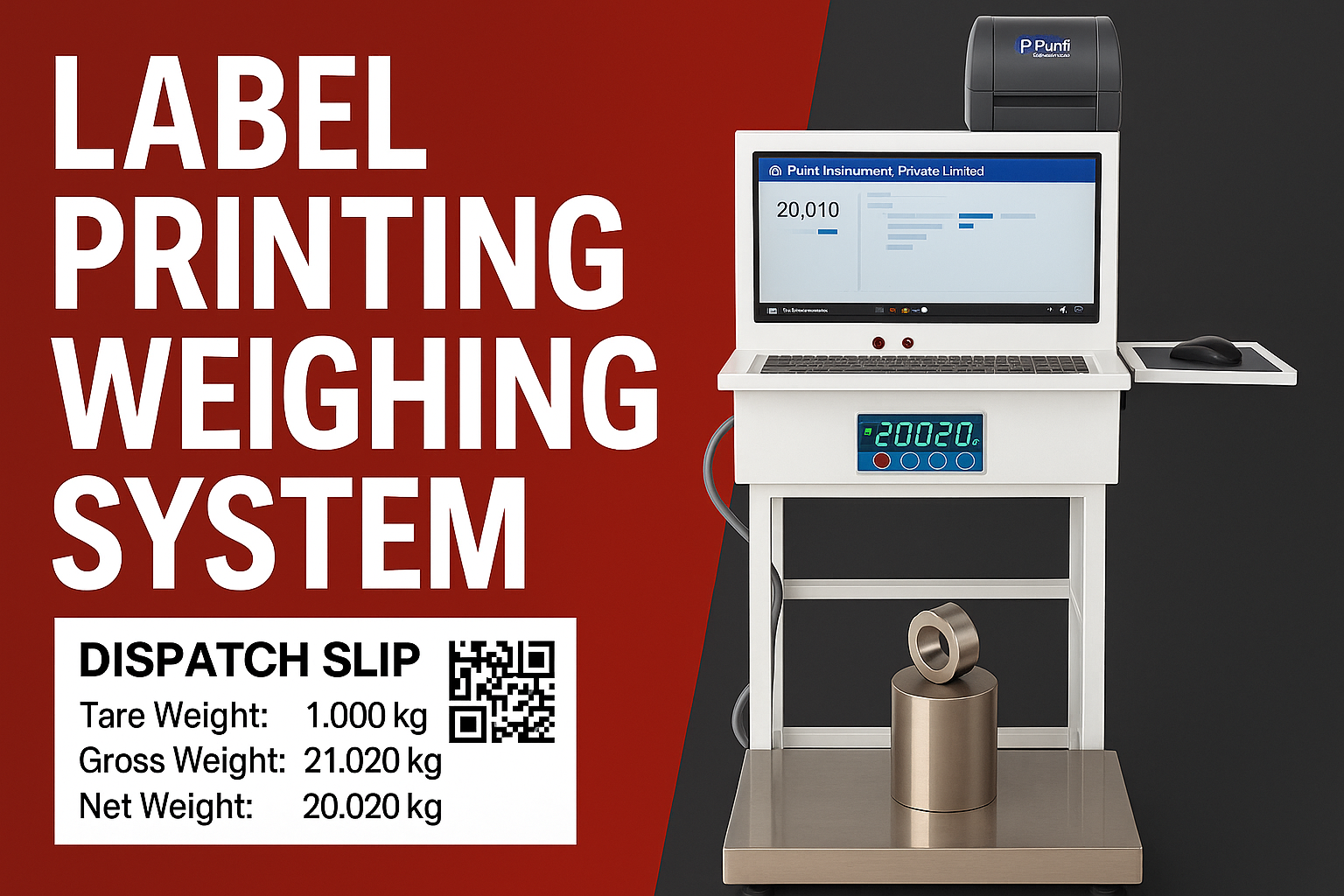
This three-level data is important for both invoicing and compliance in regulated industries. The label reflects all these values clearly, helping prevent disputes or confusion in audits and inspections.
Use Cases Across Industries
While these machines are common in logistics hubs and packaging lines, they are increasingly being adopted by SMEs and export units in India for:
-
Food packaging: Ensuring the exact weight of snacks, grains, or spices and generating barcoded labels for compliance.
-
Pharma industry: Where labeling accuracy is crucial due to strict norms.
-
Chemical packaging: Printing safety and weight info for bags and drums.
-
Garment and textile export: Where weight-based labels are generated for courier and shipping needs.
Each weighing machine with barcode printer can be configured based on label size, language, weight capacity, and printing format, ensuring a tailored fit for specific industries.
Accuracy and Reduction of Human Error
Because the machine prints what it measures in real-time, the scope of human error is significantly reduced. There’s no chance of miswriting numbers, skipping label fields, or entering incorrect data in the system. Even better, the label format can be pre-defined with your brand name, logo, and custom fields like batch number or operator ID.
This brings not only operational efficiency but builds a culture of accuracy and accountability across the production or dispatch line.
Label Printing Scale with QR Code – Print Tare Weight , Net Weight , Gross Weight In Labels & Generate Dispatch / Packing Slips.
Conclusion
A label printing weighing scale is no longer just a convenience—it’s a strategic investment for companies seeking to scale operations efficiently and comply with modern labeling requirements. It blends precision weighing with intelligent automation, offering speed, accuracy, and data traceability.
Whether you’re weighing sacks of grains, cartons of pharmaceuticals, or components in a warehouse, a reliable weighing scale with printer can improve productivity and consistency across your value chain.